Busting Car Care Myths: Separating Fact from Fiction

AAMCO Chicagoland • April 2, 2025

When it comes to taking care of your car, there may have been a lot of advice thrown at you. How do you tell fact from fiction? Let’s face it, there are a lot of car care myths out there that may have crossed your path—or even been told for years or decades among your friends and family. While some of these myths may have been true years ago, the evolution of vehicle engineering can change what’s necessary to keep it running efficiently. If you’ve heard any of these myths, you may need to rethink your car care habits.


Premium Fuel is Better, No Matter Your Vehicle


Premium is always better, right? That’s why it costs more. Actually, that’s not the case. While there’s no harm in using premium instead of regular, there aren’t any real benefits that make the extra cost worthwhile. However, if it’s recommended that you use premium, regular-grade fuel can increase wear or cause damage if used regularly.


Always Use the Recommended Fuel in Your Owner’s Manual

The long and short of it is: check your owner’s manual and stick to the fuel type your car’s manufacturer recommends. Using the right fuel octane helps optimize engine performance, improves fuel efficiency, and prevents wear and tear from everyday use. If premium fuel is recommended for you vehicle by your manufacturer, stick to it. Otherwise, regular octane from a reputable gas station will work just as well.


You Need to Let Your Car Warm Up Before Driving


Especially in the winter, you may have heard that it’s better to let your car idle and warm up before driving away. The idea behind this myth is logical. Your car’s engine oil thickens in cold weather and flows easier when warm. Letting your car warm up before driving means that oil can better pressurize and lubricate the system once you drive away. However, it’s not necessary.


Sitting Idle While Your Engine Warms Up Isn’t Necessary—And Can Be Harmful

Unless you drive an older vehicle or you’re waiting for your windshield to defrost, there’s no need to let your car warm up before driving. Modern vehicles are built more efficiently and are meant to be driven right away, even in colder weather. In fact, you may be doing more harm than good by letting your car idle to warm up—it takes longer for the engine to warm up idling than driving, you’re still burning through fuel, and more harmful emissions are being sent into the environment.


Topping Off Your Engine Oil Can Prolong Fluid Change Intervals

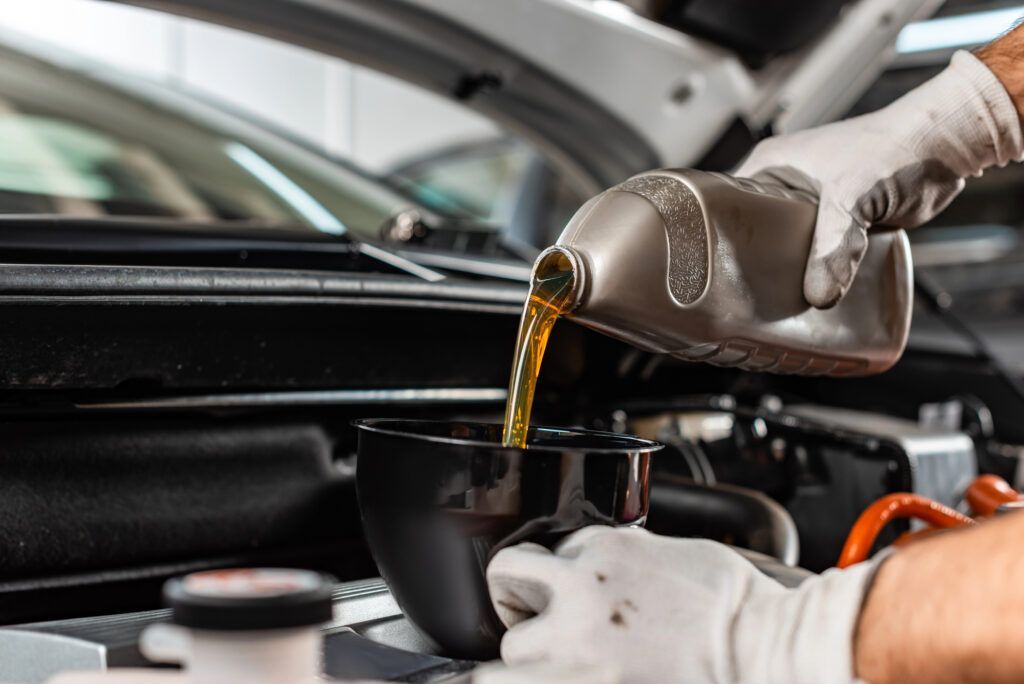
Hands in white gloves pouring golden motor oil into a funnel inside an open car hood.

Tired of working regular oil changes into your schedule? You may be tempted to top off your engine oil in order to safely put off having it fully changed. However, topping off your engine oil is only a helpful solution if the level is low due to a leak—and even so, it’s only making it safe for you to drive your car to an auto shop without causing damage from insufficient fluid.


Engine Oil Should Always Be Changed As Recommended By Your Car’s Manufacturer

Many vehicles can now go longer in between oil change services, thanks to improvements in engineering and additives in motor oil. However, it’s still important to follow the recommendations in your owner’s manual. Typically, every vehicle should have an oil change service every 6-12 months or 7,500 miles, though there can be some variation depending on your driving habits, it is always best to refer to your vehicles manufacturer recommendations for most accurate intervals.


Regular Maintenance is Only Necessary if You Notice Issues


There’s a difference between routine maintenance services and repairs. Whether or not you’ve noticed signs of trouble or changes in your car’s performance, car maintenance should be scheduled at the recommended intervals by your car’s manufacturer. On the other hand, if you notice symptoms of a problem with your vehicle, it may be time to schedule repairs—or maintenance may be overdue.


Preventative Services Should Be Done Regardless of Your Car’s Performance

The point of routine maintenance is to keep each of your car’s systems operating efficiently, preventing changes in performance, excessive wear, or damage. Check your owner’s manual for recommended intervals for important maintenance like oil changes, transmission fluid flushes, brake services, and coolant replacement.


Brake Fluid Doesn’t Have to Be Changed Regularly


When you think of brake maintenance, you may just focus on the pads and rotors. While it’s true that these components should be replaced regularly, they aren’t the only parts of the system that need regular maintenance. It’s also important to have your brake fluid checked and replaced every few years to keep your brakes working efficiently.


Adequate Brake Fluid is Essential to Keep the System Operating Efficiently

The brakes in your vehicle are hydraulic, meaning they rely on adequate fluid to operate. Over time, air pockets and moisture can be absorbed into the brake fluid lines, impacting the effectiveness of your brakes. When there’s an issue with your brake fluid, the pedal may feel soft or spongey, may need to be pressed harder or further to the floor, and it may take longer to bring your vehicle to a full stop.


Trust AAMCO Chicagoland’s Mechanics with Any Car Care Needs


Routine maintenance is essential for the overall health and efficiency of your vehicle’s systems. While at-home car care and driving habits can help prevent excess wear and tear, they’re no replacement for regular services by a professional mechanic. Visit your local AAMCO Chicagoland for any maintenance or repair service to ensure your vehicle operates efficiently and you stay safe on the road. Schedule your appointment with us today!
Share

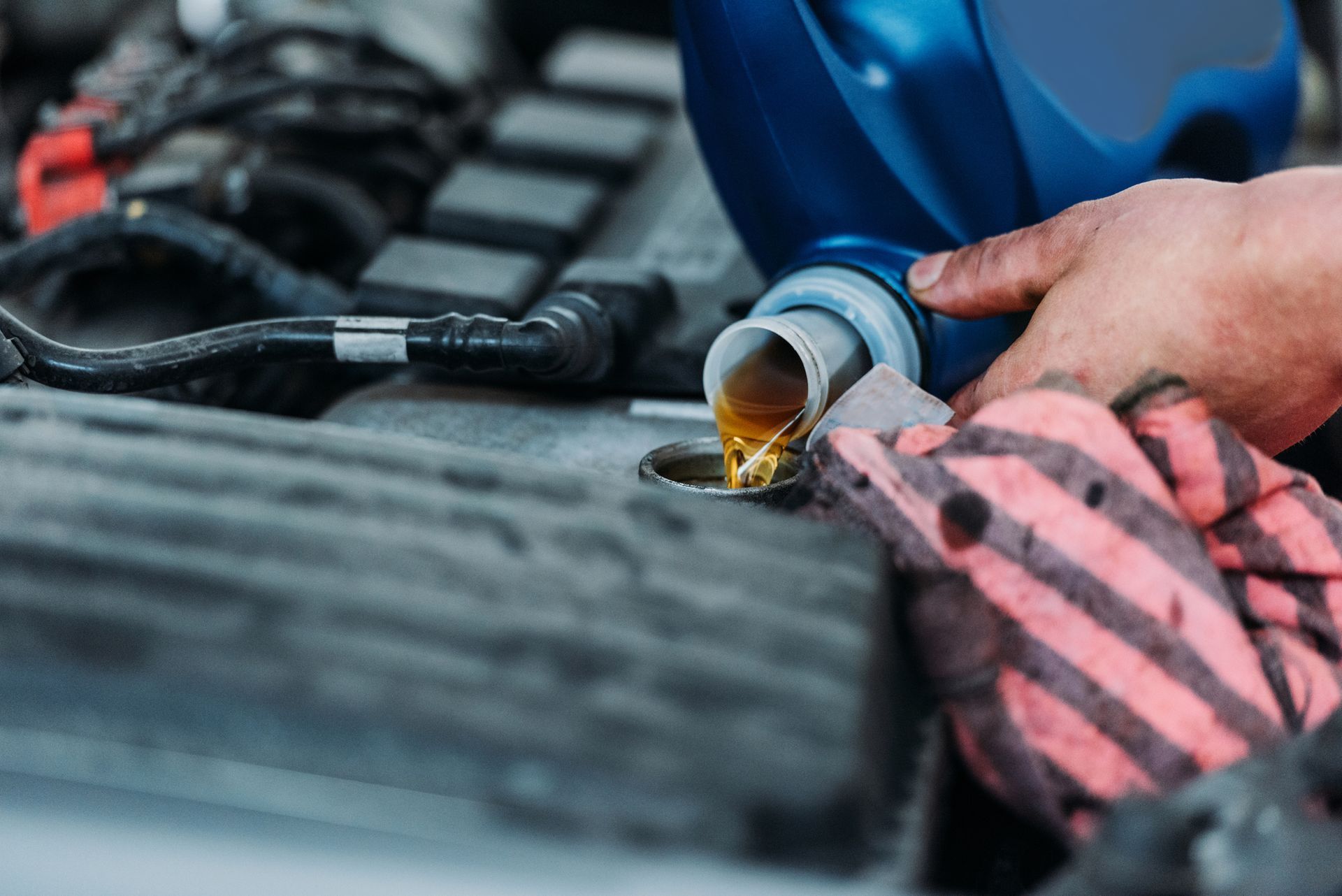
A hand in a striped work glove pours golden motor oil from a blue plastic bottle into an engine.
By AAMCO Chicagoland September 24, 2025
Engine efficiency and oil changes may be top of mind when you own a car, but how much do you understand about motor oil? Terms like viscosity, different additives, conventional vs synthetic, and choosing the right grade can all blur together. But understanding the composition of and differences between various types of motor oil doesn’t […] The post Choosing the Right Motor Oil: Navigating Viscosity & Grades appeared first on AAMCO Chicagoland.
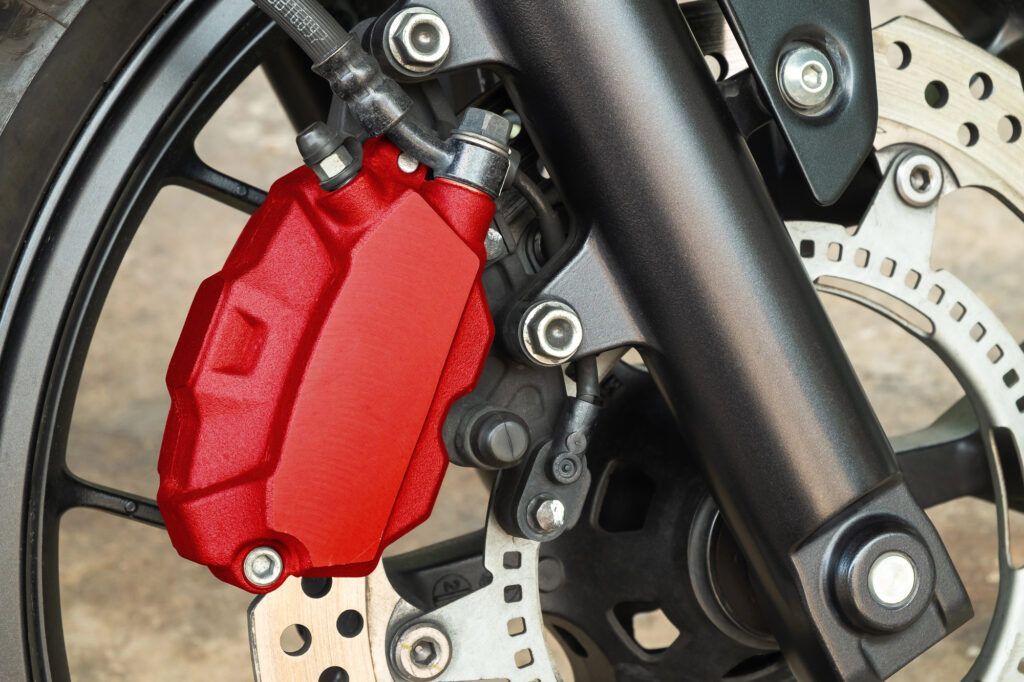
A bright red motorcycle brake caliper attached to the front wheel assembly of a bike.
By AAMCO Chicagoland September 12, 2025
Modern brake systems are safer and more effective than ever. The flaws of older brakes are being fixed by technological advances so that driving safely is easier, no matter the road conditions—that’s where your anti-lock brake system comes into play. At the same time, it’s as important as ever to keep up with proper maintenance […] The post The ABCs of Brake Maintenance: Understanding Anti-Lock Braking Systems appeared first on AAMCO Chicagoland.
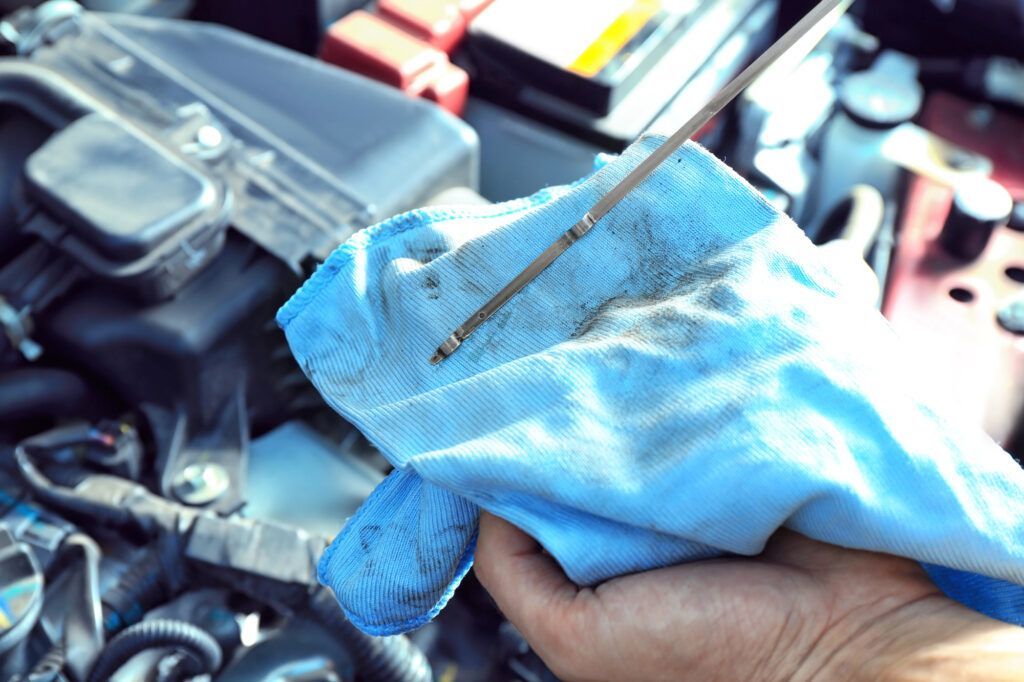
A hand holds a car engine oil dipstick against a blue cloth to check the oil level in an engine bay.
By AAMCO Chicagoland May 20, 2025
Has your daily drive gotten louder? New noises from under the hood could point to transmission trouble that needs to be addressed. Luckily, there are ways to help understand what may be happening within your transmission, depending on the sounds you hear and other symptoms from your car. Grinding, whining, clunking, and gurgling can all […] The post How to Address Transmission Noise Issues Quickly and Effectively appeared first on AAMCO Chicagoland.
More Posts